Image credit: © Disney/Pixar
When “Toy Story” debuted in 1995, it helped establish a new era for computer animation. Nearly three decades later, the franchise continues to evolve, challenging artists and technologists to explore new ways of telling stories and creating worlds.
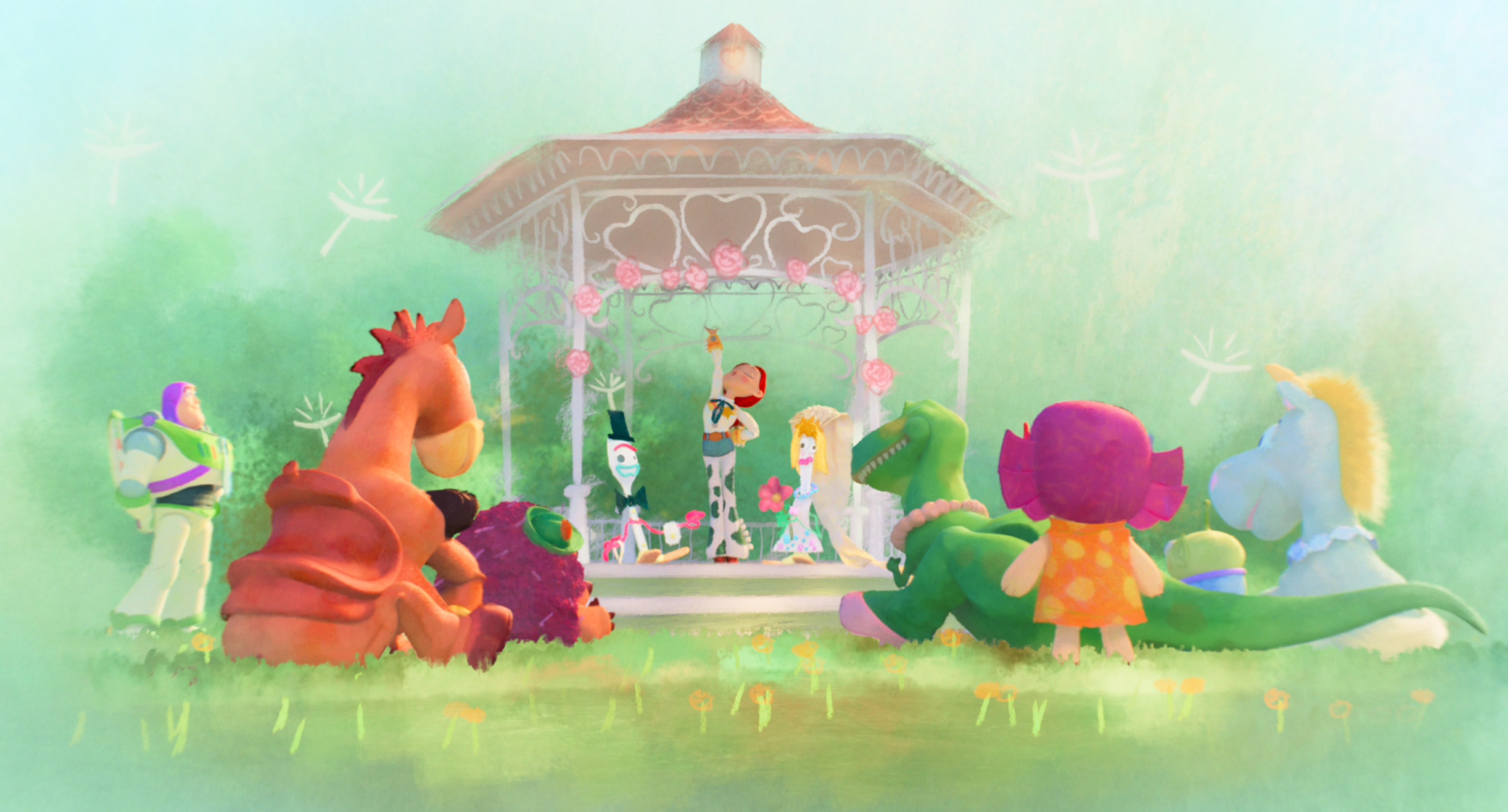
For “Toy Story 5,” the playtime sequences presented a unique creative opportunity: visualizing childhood imagination through an expressive, hand-drawn aesthetic inspired by pastel artwork, stage play scenery, and children’s sketches. Achieving that vision required teams across effects, shading, and compositing to step beyond traditional production boundaries, developing new workflows that balanced artistic spontaneity with the control and precision required for a feature film.
We spoke with the team behind the project about honoring “Toy Story’s” legacy of innovation, building a collaborative non-linear pipeline, and translating the tactile qualities of traditional pastel art into a stylized CG experience.
SIGGRAPH: The original “Toy Story” movie helped establish new possibilities for computer animation. Decades later, what does it mean to continue pushing artistic and technical boundaries within a franchise that has such a significant place in animation history?
Indeed, there’s a responsibility we all share to do right by the legacy of the previous films. It’s those very films that inspired many of us to work at Pixar in the first place! What’s different about Pixar is that we see this as a shared responsibility from the directors on down. Because we all feel it in this way the responsibility isn’t a burden, but rather a uniting and motivating force to do great work that is worthy of “Toy Story’s” history. This is why each successive film pushes the characters into new territory, and the technology and artistry follow suit.
SIGGRAPH: How did the collaborative, non-linear workflow take shape across effects, shading, and compositing teams?
We started with a small exploratory crew which ended up pushing us toward a loose, more generalist mindset in our lookdev phase. Each department had room for open ended exploration, with color keys and style frames from our art director providing a north star that aligned much of that experimentation in the same direction. Eventually the team had a chance to converge on one test shot, where we combined and integrated a number of techniques each group had worked through on their own. From there, we started in production with a strong foundation of a workflow, but one that would continue to evolve with FX, shading, and comp remaining in close collaboration while staying agile throughout the entire length of the show.
SIGGRAPH: Capturing the spontaneity of a child’s imagination can be difficult in a highly structured CG environment. How did your team balance stylized abstraction with the artistic control needed for a feature film?
That balance turned out to be an incredibly thin line to walk and was something every department spent time and attention on. Too far one way and the image loses the illusion of a hand-drawn world, too far the other and we lose the characters and story. Characters often draw the most scrutiny, and our dual line shading system proved valuable in breaking up silhouette edges within the pastel world around a character without losing the animator’s intent. For props and sets, baking the lighting and shading data directly into the FX pastels let us stylize form while preserving both a physically grounded render response as well as the normal lighting and shading TD controls intact underneath. Another major source of control was defined in comp. Final image integration ran through dedicated brushstroke controls defining how realized or abstract each part of the image would read and included dial-able knobs for flatness and breakup across characters, props, and sets.
SIGGRAPH: What aspects of traditional pastel artwork proved most challenging to translate into a digital workflow?
There were a number of them, but landing the right sense of depth was quite a challenge. Real pastel artwork often has a wonderful sense of atmosphere and dimensionality despite being drawn on flat paper. A lot of care went into realizing that same sense of depth in an appealing way that was parallax friendly and worked with the real scale of the scene. The directors were excited about the concept of viewing each imagined scene through a mind’s eye perspective, like a type of 3D vignette, and the Nuke-based layering approach we implemented is a good example of this challenge in practice. We balanced the scale and density of detailed texture versus abstracted pastel strokes based on where the kid’s attention was in a scene, and how much space or depth was actually needed to define it.
SIGGRAPH: For attendees interested in stylized animation, rendering, or pipeline development, what do you hope they take away from this session?
The biggest takeaway with regards to the success of any chosen aesthetic is, and always will be, in service to the story. Our goal of this entire process is to bridge a closer connection between Bonnie and our audiences. Every choice that we made has intention and purpose and hopefully that shines through. If someone watching these sequences feels deeply and cares more about our characters, then the craft onscreen has done its job well. And for every smile in the room where these images can bring someone a bit of visual joy, even better.
Interested in learning more about the artistic and technical innovations behind Disney and Pixar’s “Toy Story 5?” Be sure to attend “Coloring Outside the Pipeline: Stylized Pastel Techniques in Disney and Pixar’s Toy Story 5” at SIGGRAPH 2026. Explore the full schedule to discover more Production Sessions, Talks, and more showcasing the latest advances in computer graphics and interactive techniques.
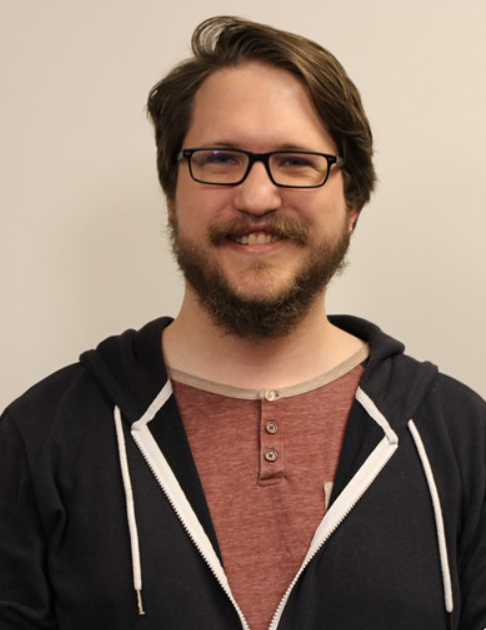
Nate Skeen is an FX Lead at Pixar Animation Studios. Before joining Pixar in 2021, he worked as a generalist across FX, lighting, and compositing teams on a variety of short form projects in the worlds of advertising, videogame cinematics, and music videos.
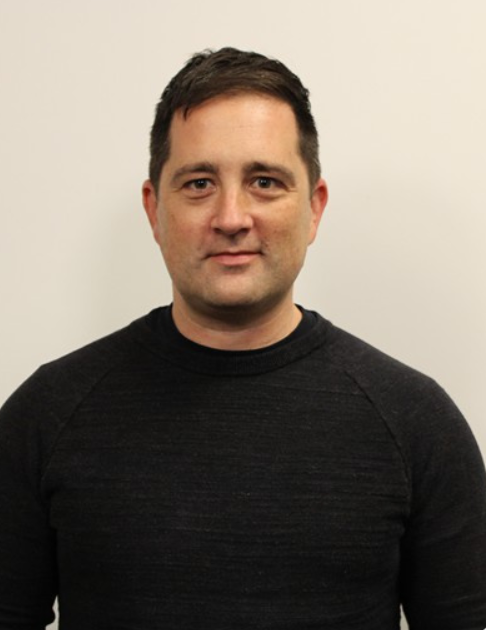
Peter Demarest is a Lighting TD at Pixar. He was previously a compositing supervisor and digital artist at Industrial Light + Magic for many, many years.
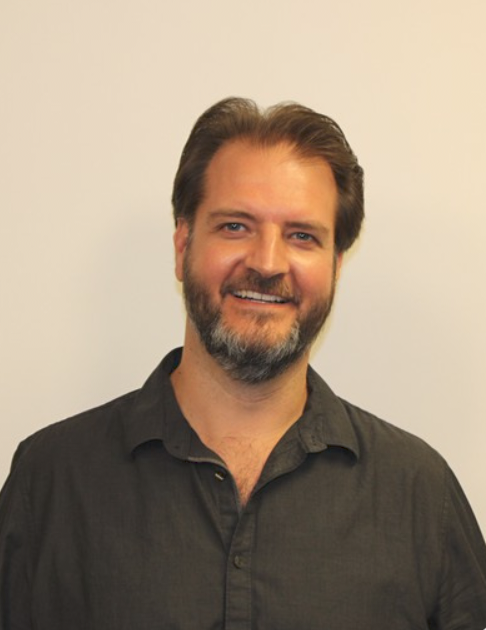
Dave Quirus has had the pleasure to live and work in eleven different cities across three different countries and is currently with Pixar Animation Studios as an FX Supervisor. His past production experience include effects, lighting, and compositing for both feature animation and live action films.