Image credit: Arm and Sumo Digital
This article is sponsored by Arm.
If you are building real-time graphics for mobile, you know that visual ambition keeps rising, but handheld power budgets do not move at the same pace. Developers, technical artists, and graphics researchers are being asked to deliver richer lighting, advanced ray-traced effects, and smoother motion in systems where every frame has a power and performance cost.
As mobile experiences take on the visual expectations of desktop and console games, the question is no longer whether developers can push visual quality further. It is how they can do so efficiently within real-time, battery-powered systems. Arm, the compute platform behind billions of mobile devices worldwide, is focused on helping developers explore that challenge through neural graphics technologies designed for mobile.
See Arm Neural Graphics in Action at SIGGRAPH
At SIGGRAPH 2026, Arm is showing how neural graphics are moving from research into mobile development workflows. Arm Create Dev Day on Monday, 20 July, will bring developers, researchers, and partners together for hands-on demos, technical talks, and direct conversations with Arm experts. Together we will demonstrate that neural graphics on mobile is possible today, not something for the future. We will showcase what can be built today, what workflows developers can start testing now, and how upcoming Arm-based mobile graphics hardware will expand what is possible.
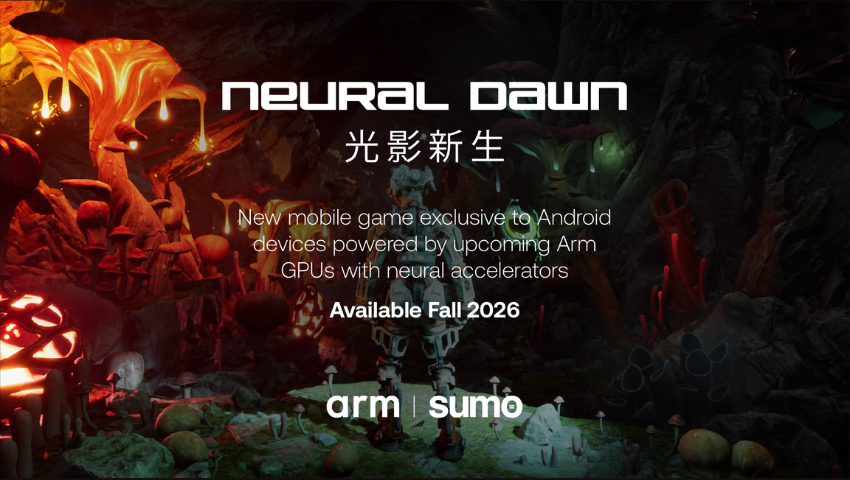
The centerpiece is Neural Dawn, a playable, production-scale mobile game built in close collaboration between Arm and Sumo Digital. Built using Unreal Engine 5.6.1, Neural Dawn is the first mobile game to use Arm Neural Technology and Unreal Engine MegaLights in real time. It brings complex direct lighting and ray-traced shadows into a mobile development context, supported by neural rendering techniques that help reduce the cost of producing high-quality images and smoother motion.
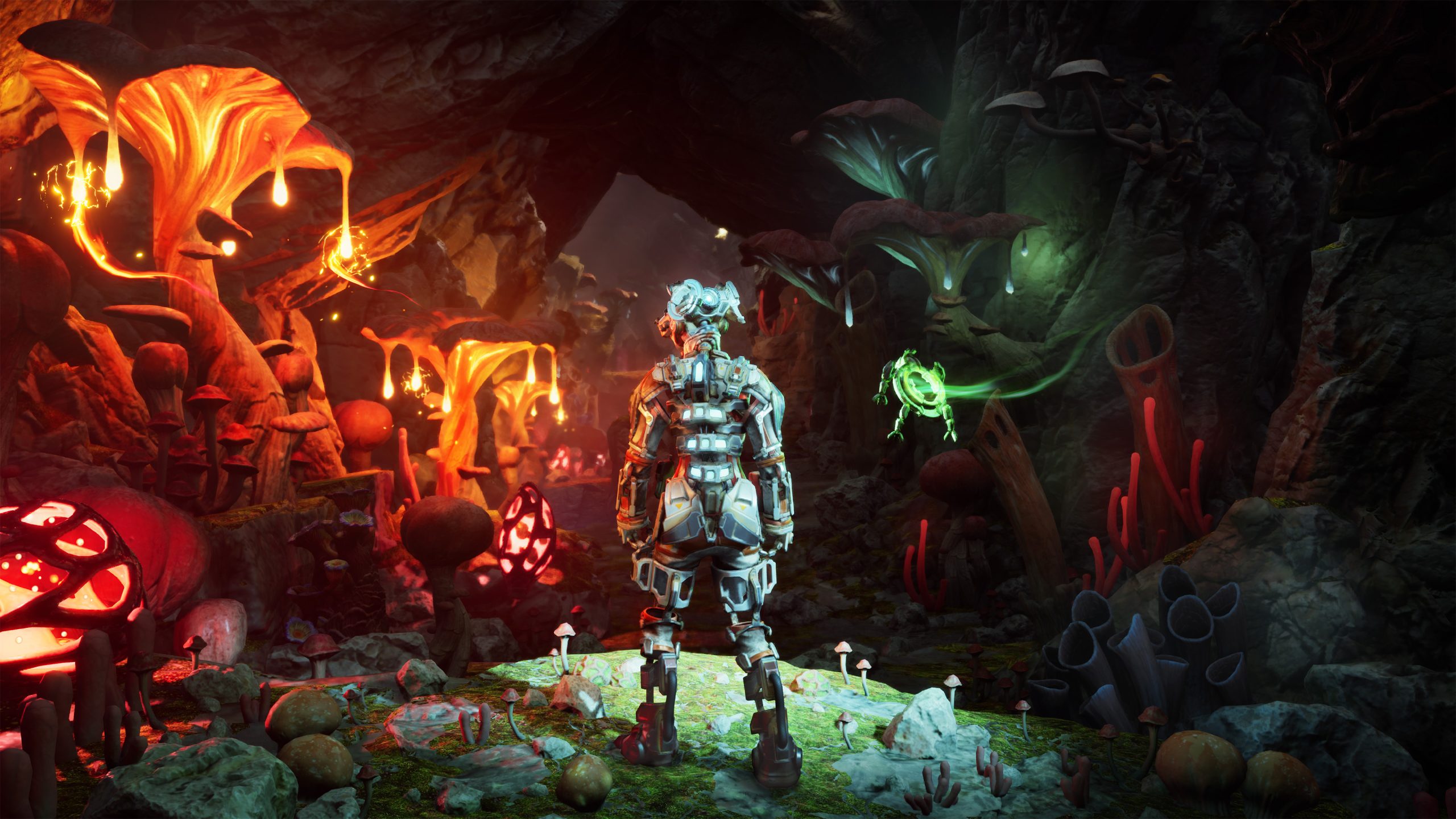
Image credit: Arm and Sumo Digital
What Neural Graphics Means for Developers
Neural graphics uses machine learning inside the graphics pipeline to improve how frames are reconstructed, denoised, and delivered. For developers, this is not a single feature or a black-box rendering path. It is a set of techniques that can be evaluated, tuned, and integrated into existing workflows.
Developers can already begin experimenting with Arm Neural Technologies through resources such as Neural Super Sampling (NSS), with Neural Dawn demonstrating how Neural Super Sampling and Denoising (NSSD) and Neural Frame Rate Upscaling (NFRU) can support a production-scale mobile experience. NSSD helps remove noise from ray-traced images while preserving detail. NFRU generates intermediate frames, helping content running at 30 frames per second present at 60 frames per second for smoother motion.
Neural Dawn Shows What Developers Can Achieve
For game developers, lighting can shape how players read, navigate, and respond to a world before they ever touch a control. Neural Dawn brings that idea to life through an expansive, highly detailed environment where lighting does more than set the mood. It guides exploration, signals interactivity, and helps players understand where to go next.
That makes lighting part of the gameplay language, not just the visual presentation. As players follow a team of research scientists on a journey of discovery, light becomes a design tool that connects art direction, player attention, and interaction.
Mobile graphics workflows often require teams to make difficult trade-offs early. Artists may rely on baked lighting. Engineers may reduce assets aggressively. Neural Dawn points toward a different path: Using AI in the graphics pipeline to create more room in the performance budget, so teams can preserve creative intent while building richer interactive experiences for mobile gameplay.
Build Inside Familiar Pipelines
That workflow shift matters for teams already building in familiar tools. With Arm neural graphics building blocks, developers can begin experimenting with neural rendering techniques, integrating them into Vulkan and Unreal pipelines, and profiling performance across machine learning and GPU workloads.
Developers need control over where neural passes sit in the render graph, how models are tuned for content-specific workloads, and how quality and performance trade-offs are evaluated. This makes neural graphics relevant not only to game studios, but also to researchers, rendering engineers, tool developers, and technical artists exploring the future of real-time graphics.
Join Arm Create Dev Day
Arm Create Dev Day is designed as a hands-on technical experience for the SIGGRAPH community.
Attendees can expect implementation-focused talks, interactive demos, expert conversations, and practical guidance on neural graphics workflows. Neural Dawn will be showcased, alongside deeper insights into NSSD, NFRU, Arm SDKs, third-party development kits, and real-world production considerations.
Throughout the week, Arm will also host meetings and demos, with sessions and stage presentations extending the conversation beyond Dev Day.
Building the Future of Mobile Neural Graphics
For SIGGRAPH attendees exploring real-time rendering, mobile gaming, edge AI, or neural-first graphics workflows, Arm Create Dev Day offers a practical view of what is possible. Neural Dawn points to the direction ahead.
As neural graphics move from research into production workflows, the opportunity is shifting from observation to experimentation. The teams that start testing these techniques now will help define the next generation of mobile visual experiences. Arm Create Dev Day at SIGGRAPH is an opportunity to see that future taking shape and start building for it.